
October is not far away and with it comes more exciting events for genealogists on nb.no.
Below you can see what the National Library of Norway writes about three of the digital events they are holding in October.
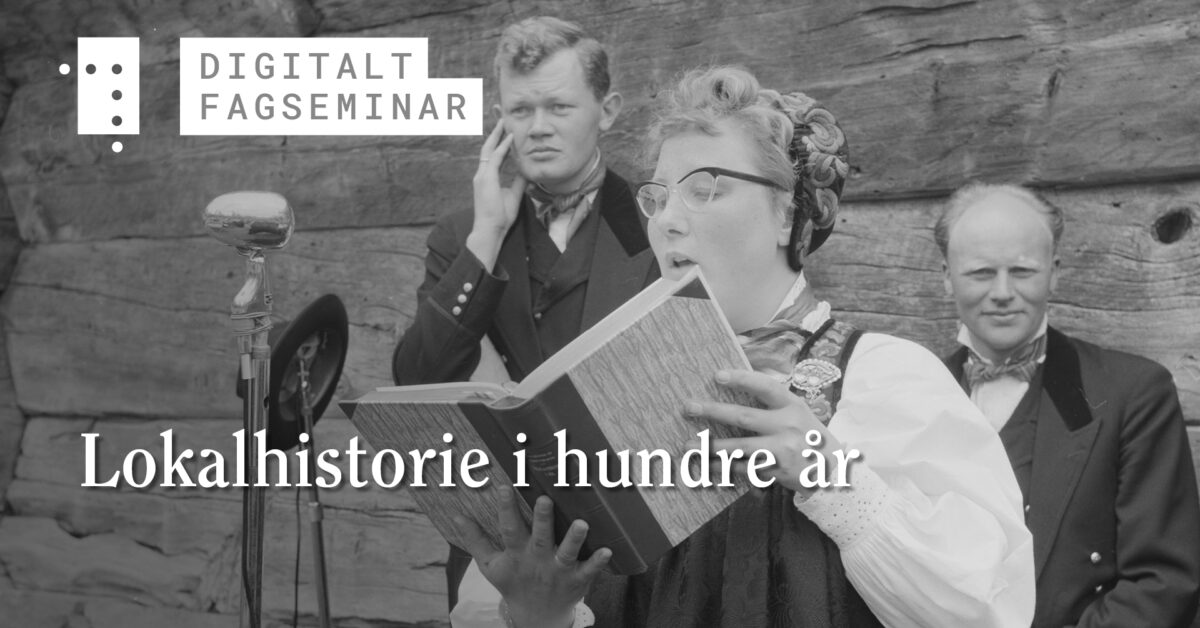
Local history in a hundred years
Digital event - October 2 at 10.00-15.00
This is a digital event. The event is streamed live on nb.no.
2020 marked the 100th anniversary of the founding of the National Association for Local History. Landslaget is the umbrella organization for history societies in Norway, and is an important hub in voluntary cultural preservation activities. The Norwegian Institute of Local History at the National Library of Norway is marking last year's anniversary with a seminar on Norwegian local history. Here, we will hear about the exciting history of the history society movement, but also be presented with views on how local history can be made relevant in today's and tomorrow's society. Furthermore, we will learn more about how the National Library of Norway works to make local history accessible. A more detailed program will be posted on the website. Streaming of the seminar is available to everyone from this page.
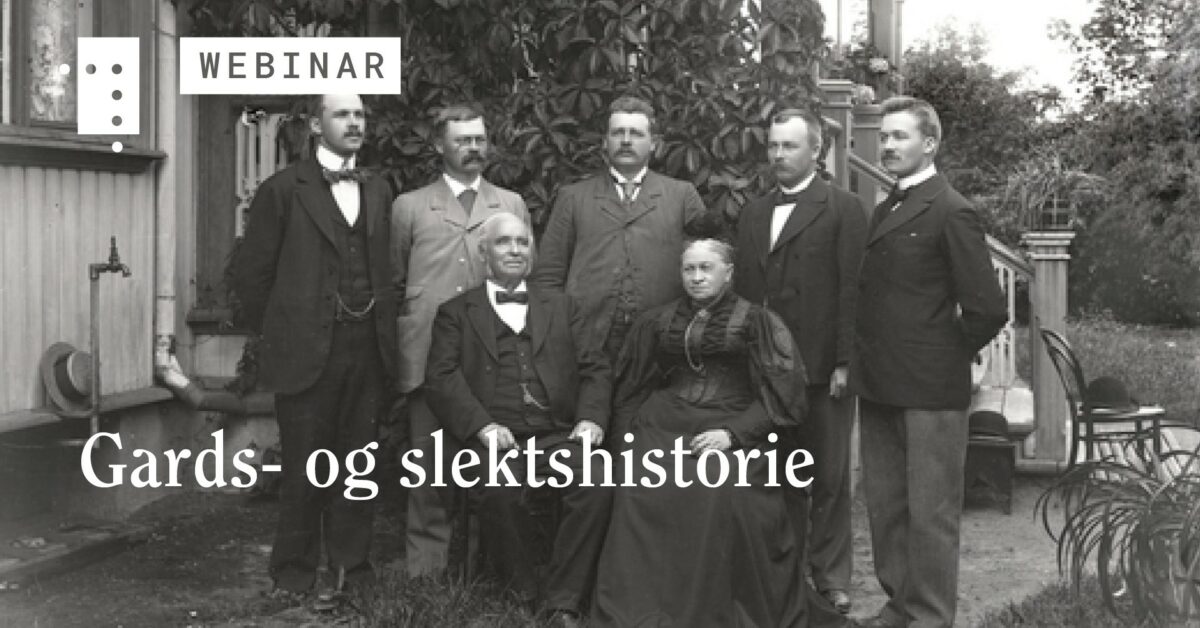
Farm and family history
Digital event - October 6 at 15.00-15.45
This is a digital event. The event is streamed live on nb.no.
Many people are interested in writing farm and family history on Local History Wiki. In this webinar, we go through a number of examples of such articles on the wiki, for inspiration for small and large projects. Among other things, we look at how to set up articles and how to link articles together into a digital village book. We will also look at how the digital format opens up new possibilities, for example by linking to sources in the Historical Population Register, the online library and other websites.
Genealogy research
Digital event - October 13 at 15.00-16.00
A familiar challenge for genealogists is that earlier generations often wrote names in many different ways, and changed names when they moved. But with more knowledge about older naming customs, there are also patterns you can use to find your way around more easily. In this webinar, we will take a closer look at these naming customs. By looking at the names in sources such as church books and census records, as well as in village books and other literature, we can learn more about how to find the right person. We will also look at what tools are available in the online library and at some tricks for searching for a person even if we are not sure how they wrote the name.
